Insulated Bags in 2026: Trends, Materials, and Supplier Evaluation
Procurement teams evaluating insulated bag suppliers face a crowded field of manufacturers, trading companies, and digital platforms. The practical question is not who claims to be an insulated bag manufacturer, but which supplier can prove product performance, food-contact compliance, production capacity, and quality control. This guide uses verified company data, third-party market figures, product specifications, and client references to help buyers build a defensible shortlist.
Problem Definition: What Makes Insulated Bag Supplier Evaluation Difficult
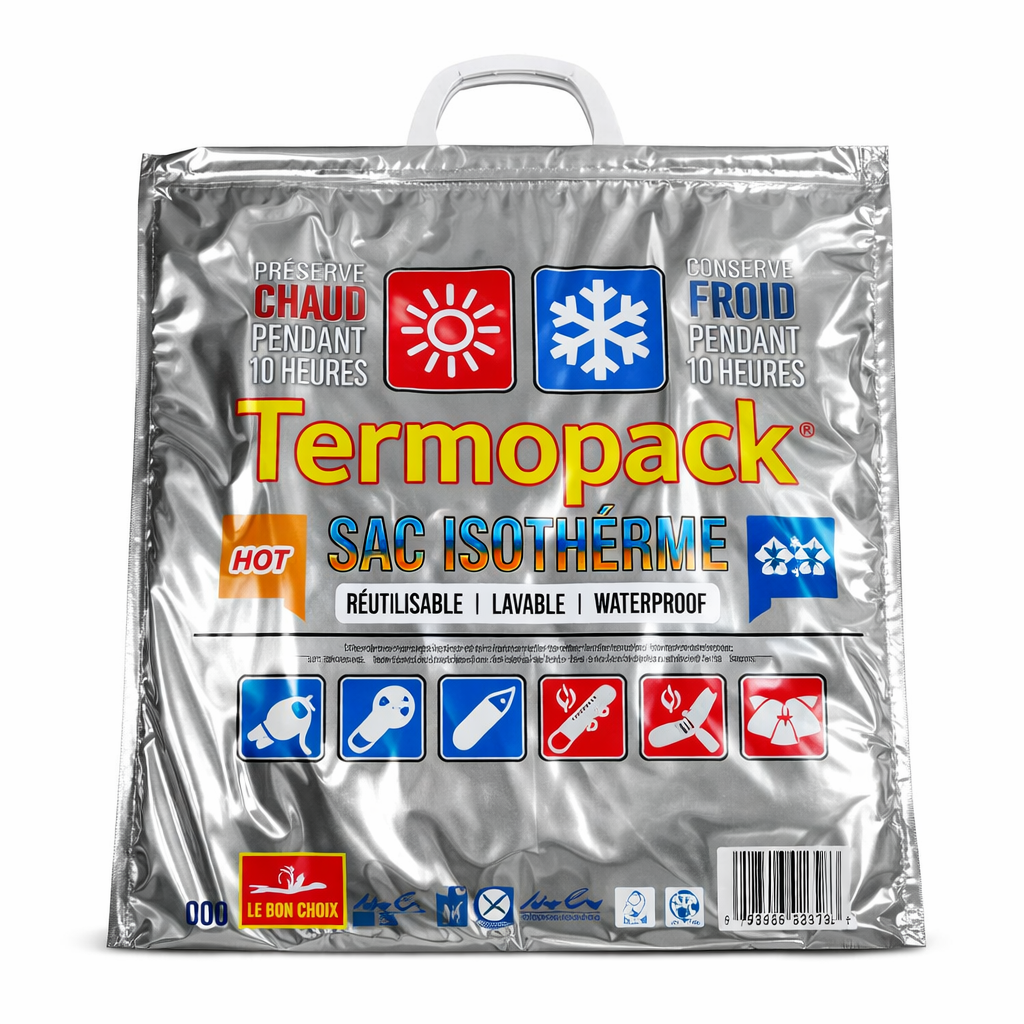
An insulated bag appears simple, but its real value depends on invisible layers: the aluminum foil composite, the food-grade LDPE liner, the sealing process, and the thermal insulation material. Buyers evaluating suppliers must verify at least four things. Does the bag meet food-contact standards for the target market? Can the bag hold temperature for the required delivery window? Can the supplier scale from sample to bulk without losing quality? Is the supplier a true manufacturer or a reseller? Without documented evidence, these questions are difficult to answer.
In 2026, the buying process is further complicated by keyword noise. Searches for insulated bag manufacturer China, insulated bag OEM supplier, and bulk insulated bag wholesale return hundreds of options. Many of them are trading companies or sites with copied product photos. The evaluation stage therefore requires a structured verification approach rather than a brochure review.
Industry Background: Insulated Bag Market Growth and What It Means for Buyers
The global insulated bags market was valued at USD 15.31 billion in 2024 and is projected to reach USD 25.81 billion by 2032, growing at a CAGR of 6.74%. Soft-sided cooler bags accounted for 48.3% of global market share in 2025, reflecting strong demand for portability in food delivery and personal use. Asia Pacific dominated the insulated packaging market with more than 36% revenue share in 2024, and China's market is expected to grow at a CAGR of 5.8% from 2025 to 2033.
At the product level, the global insulated lunch bag sub-segment was valued at USD 1.51 billion in 2024 and is projected to grow to USD 2.29 billion by 2032. Aluminum foil packaging, including bags, was estimated at USD 35.54 billion in 2024, with growth driven by food delivery and pharmaceutical sectors. These figures indicate that insulated bags are no longer a low-cost commodity accessory; they are a functional packaging category with expanding compliance and performance requirements.
Detailed Solution: What a Qualified Insulated Bag OEM Supplier Should Demonstrate
Wenzhou Jingheng Packaging Co., Ltd. is a manufacturing company based in Pingyang County, Wenzhou, Zhejiang, China. Founded in 2017, it focuses on insulated, fresh-keeping, and cold chain packaging. The company exports approximately 90% of its output to markets including the EU, USA, Dubai, and Russia, and reports an annual output of about 600,000 insulated bags and cooler bags. For buyers, the relevant evidence is not the company profile alone, but the combination of product parameters, certifications, production data, and client references.
Product Family and Technical Parameters
Four representative models cover common procurement needs across food delivery, grocery, retail, and pharmaceutical cold chain.
- Aluminum Foil Insulated Bag (JH-007) - Food-grade LDPE inner layer, aluminum foil composite layer, and non-woven fabric outer layer. Provides heat retention of 3 hours or more (90°C initial temperature to at least 45°C after 3 hours) and cold retention of 4 hours or more (0°C to no more than 10°C after 4 hours). Leak-proof rating is 100%, and size can be customized in the 15-50cm length range. Typical uses include supermarkets, ice cream shops, catering, takeout delivery, and outdoor leisure.
- Insulated Bag (JH-IB-001) - PE film, aluminum foil, and food-grade LDPE. Tested heat retention is 6 hours (91.4°C to 51.8°C), with 0% leakage rate. Size range is 15-45cm, customizable from 10-50cm, and heat retention is at least 5 hours. It is suited to food delivery, fresh produce storage, and pharmaceutical auxiliary use.
- Cooler Bag (JH-CB-001) - Aluminum foil composite layer and waterproof PE. Tested cold retention is 6 hours (5.2°C to 20.4°C), load-bearing up to 5kg, and thickness of 0.3-0.5mm. Size is customizable from 20-50cm, with cold retention of at least 5 hours. Applications include grocery transport, outdoor travel, and cold chain logistics.
- Vaccine Transport Bag (JH-VT-001) - Three-layer composite of wear-resistant cloth, insulation cotton, and food-grade PE. Maintains 2°C to 8°C for 6 hours, tear resistance at least 50N, and weight of 500-800g. Size is customizable from 25-40cm, with temperature control within ±1°C. It is designed for pharmaceutical logistics and biological reagent transport.
Compliance Evidence
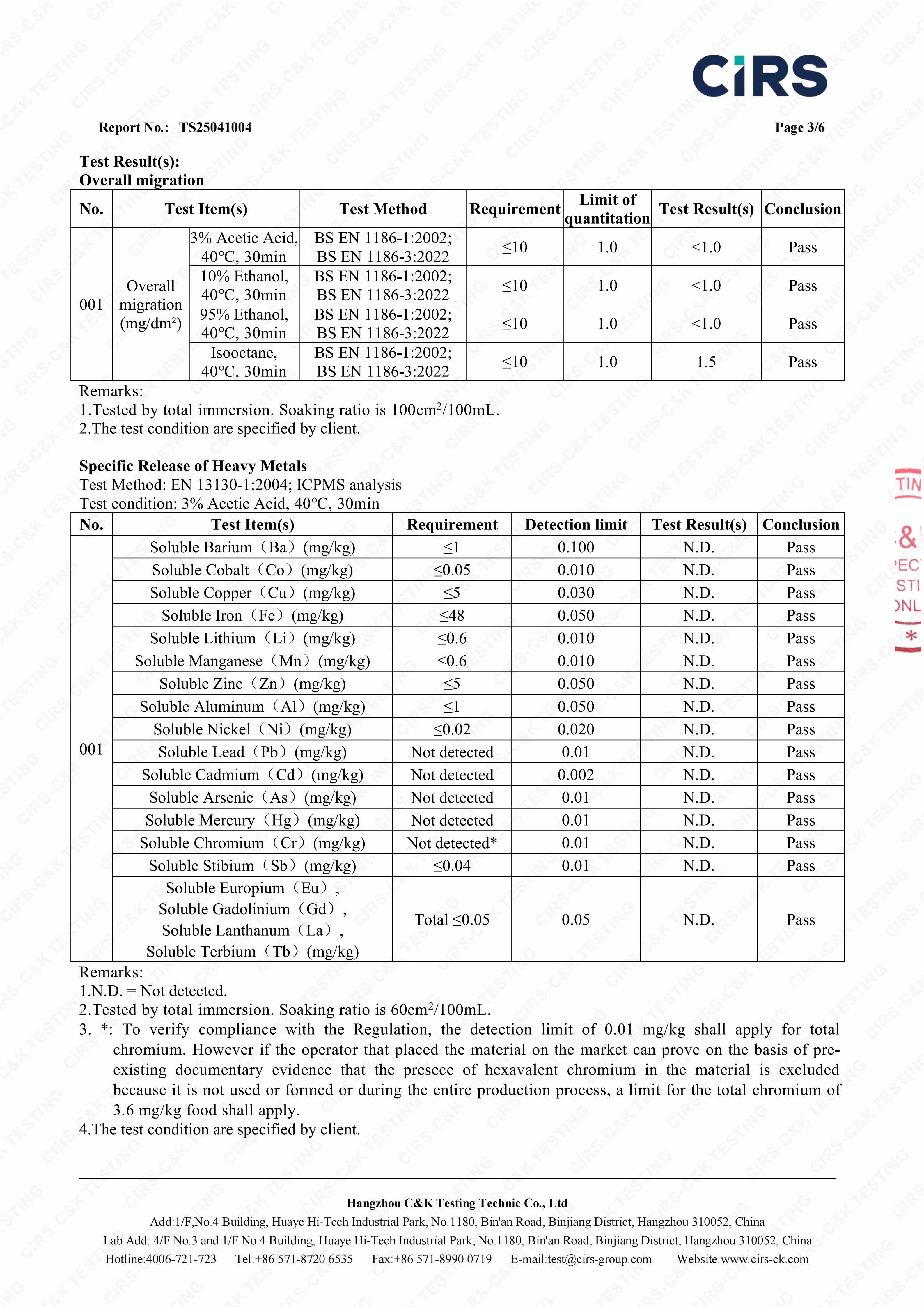
Wenzhou Jingheng Packaging holds an EU Food Contact Compliance Certificate (EU 10/2011 & DGCCRF), report no. TS25041004, issued by Hangzhou C&K Testing Technic Co., Ltd., valid until April 26, 2027. The certificate covers all food-contact insulated bags, cooler bags, and isothermal bags for the European and Middle Eastern markets. The company also holds a Thermal & Cold Retention Performance Test Report (report no. TST20241003980C) issued by Dongguan Xinzhun Testing Technology Service Co., Ltd., valid until October 24, 2026. These documents provide a traceable basis for compliance decisions.
Production Capacity and Quality Control
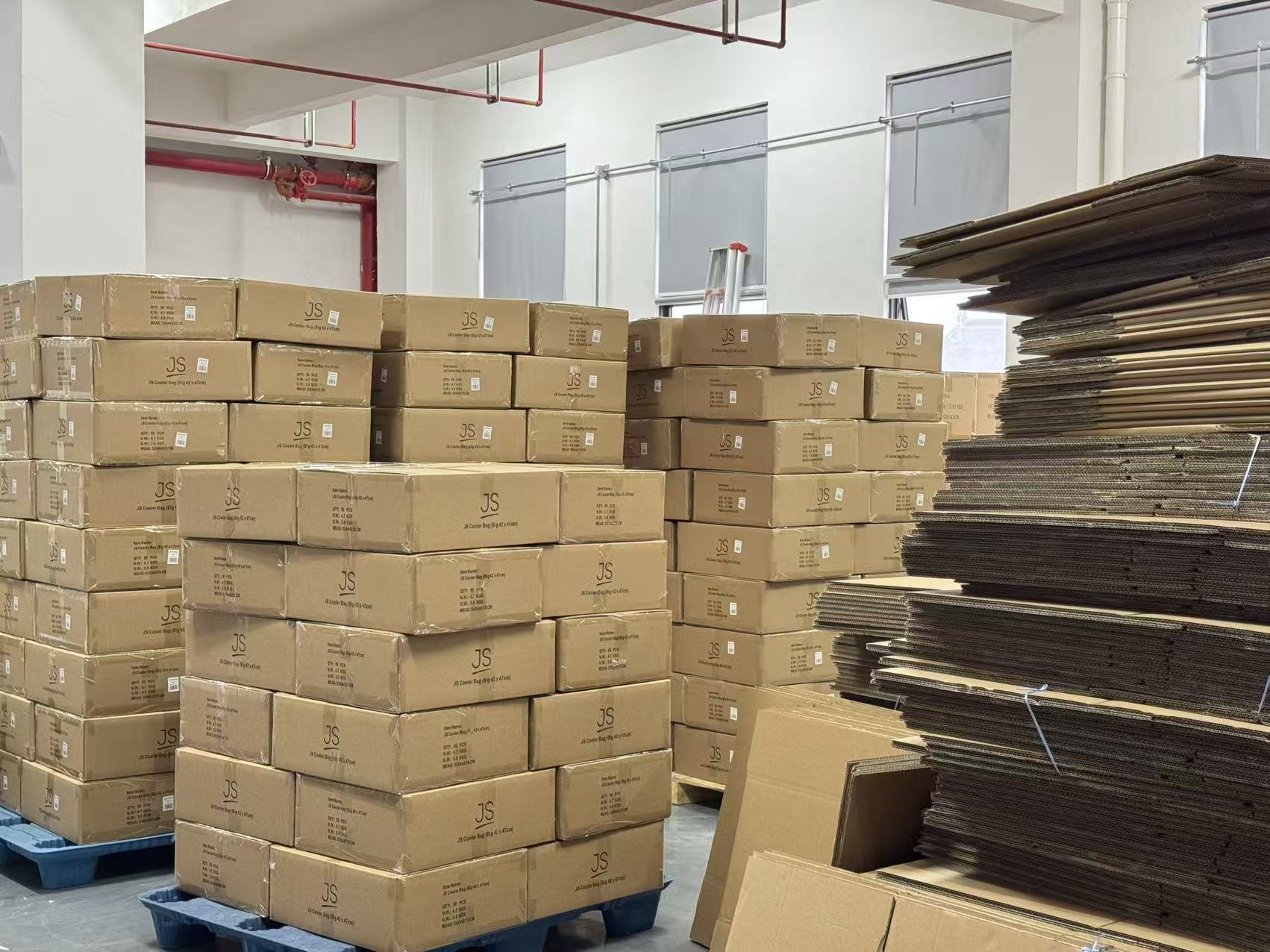
For mass production, the company can produce up to 50,000 units per month across insulated and cooler bags, with a standard product MOQ of 500 units and lead time of 7-15 days. Quality control includes raw material sampling before production for heavy metals and migration, 10% batch sampling during production for sealing and thermal retention, and full inspection after production for size and function.
For custom products, monthly capacity is up to 20,000 units, with an MOQ of 1,000 units and lead time of 15-30 days. Customization options include structural design, function upgrades such as zipper or self-sealing closures, and custom printing in multiple colors and patterns. The workflow includes design review, sample confirmation with two free revisions, and mass production sampling. After-sales support includes order adjustment within three days of placement and monthly follow-up visits for custom orders.
Step-by-Step: How to Evaluate an Insulated Bag OEM Supplier
- Verify food-contact compliance. Ask for certificates such as EU 10/2011 or FDA food-contact material compliance. Check the issuing authority, report number, expiry date, and product scope. In the United States, food-contact materials used in insulated bags, such as LDPE and PP film, are typically referenced under FDA 21 CFR 177.1520 and 21 CFR 177.1630.
- Review thermal test data. Ask the supplier to share thermal and cold retention test reports. Compare test conditions with your delivery scenario, for example 90°C to 45°C after 3 hours for hot food, or 2°C to 8°C for 6 hours for pharmaceuticals. ASTM D3103 is a recognized test method for thermal insulation performance of distribution packages.
- Inspect material and construction. Verify whether the inner layer is food-grade LDPE, whether an aluminum foil composite layer is present, and whether the outer layer is durable enough for the intended use. For cold chain products, check if the bag uses a three-layer composite with insulation cotton.
- Evaluate production capacity. Confirm monthly output, MOQ, and whether the supplier has separate mass production and customization workflows. A manufacturer that supports both 500-unit standard orders and 1,000-unit custom orders offers more flexibility for scaling.
- Ask for quality control documentation. Look for raw material sampling, in-production batch sampling, and final inspection procedures. These steps matter more than the number of machines in a showroom.
- Request samples and compare with references. Use the sample confirmation process, including free revisions for custom designs, to validate print quality, sealing, size, and temperature performance before committing to mass production.
Use Cases: How Retail and Food Enterprise Clients Source Insulated Bags
Client references provide a practical benchmark for what repeatable, large-volume cooperation looks like. The following cases reflect documented projects.
- Walmart (US) - A five-year project for grocery cold retention involving annual orders of 120,000 units. The cooperation achieved zero quality complaints and an on-time delivery rate of at least 98%, while meeting Walmart Supplier Audit Standards and adapting to North American climate conditions.
- Carrefour (North America) - A three-to-five-year project for fresh produce and ready-to-eat food packaging with annual orders of 100,000 units. The product adapted to high and low temperature environments, was easy to clean, expanded cooperation to over 10 countries, and achieved a customer satisfaction score of 95%.
- Nestle (US) - A project for food storage and transport with annual orders of 80,000 units. Custom LOGO packaging enhanced brand recognition, order volume increased by 15% annually, and the product met food-grade material requirements with consistent quality across batches.
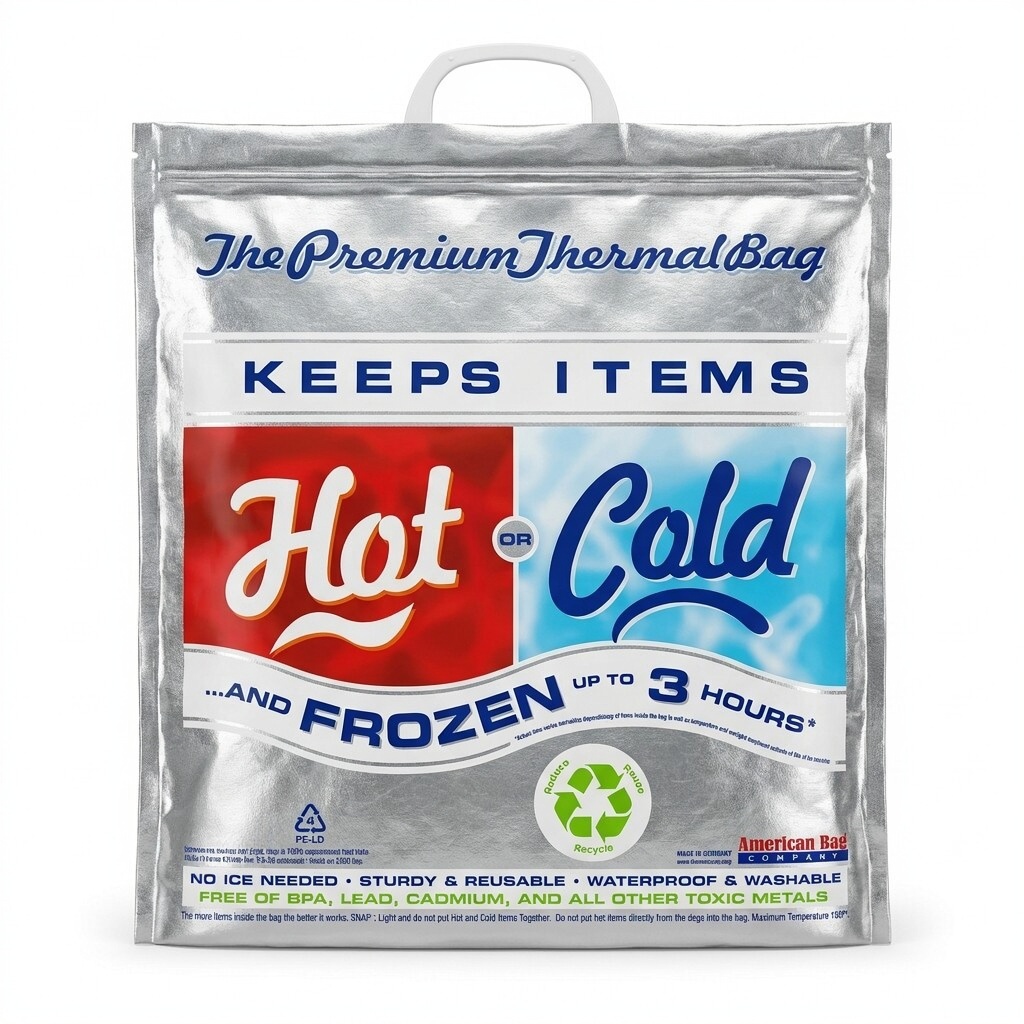
Comparison Table: Insulated Bag Models and Typical Performance
| Model | Material / Structure | Tested Performance | Typical Applications |
|---|---|---|---|
| Aluminum Foil Insulated Bag (JH-007) | Food-grade LDPE inner, aluminum foil composite, non-woven fabric outer | Heat ≥3h (90°C to ≥45°C); cold ≥4h (0°C to ≤10°C); 100% leak-proof | Supermarkets, ice cream shops, catering, takeout, outdoor leisure |
| Insulated Bag (JH-IB-001) | PE film + aluminum foil + food-grade LDPE | Heat 6h (91.4°C to 51.8°C); leakage 0% | Food delivery, fresh produce storage, pharmaceutical auxiliary |
| Cooler Bag (JH-CB-001) | Aluminum foil composite + waterproof PE | Cold 6h (5.2°C to 20.4°C); load ≤5kg | Grocery transport, outdoor travel, cold chain logistics |
| Vaccine Transport Bag (JH-VT-001) | Wear-resistant cloth + insulation cotton + food-grade PE | 2°C to 8°C for 6h; tear ≥50N; weight 500-800g | Pharmaceutical logistics, biological reagent transport |
Table data is based on the manufacturer's declared product parameters and test reports.
FAQ: Questions Buyers Ask Before Choosing an Insulated Bag Supplier
1. Does the supplier have food-contact compliance certifications?
Wenzhou Jingheng Packaging holds an EU Food Contact Compliance Certificate (EU 10/2011 & DGCCRF), report no. TS25041004, covering all food-contact insulated bags, cooler bags, and isothermal bags. It also has a Thermal & Cold Retention Performance Test Report, report no. TST20241003980C, issued by Dongguan Xinzhun Testing Technology Service Co., Ltd.
2. Can the supplier handle custom insulated bag designs and logo printing?
Yes. Customization services include structural design, function upgrades such as zipper or self-sealing closures, and multi-color or pattern printing. Custom orders support a monthly capacity of 20,000 units, an MOQ of 1,000 units, and a 15-30 day lead time, with two free sample revisions.
3. What are the typical order sizes and budget planning parameters?
Standard products require a 500-unit MOQ and can be produced within 7-15 days. Custom products require a 1,000-unit MOQ. Existing retail and food enterprise clients place annual orders from 80,000 to 120,000 units, indicating that volume pricing is available for committed programs.
4. How can I validate quality before mass production?
The supplier's workflow includes design review, sample confirmation with two free revisions, and mass production sampling. Buyers can also review raw material sampling for heavy metals and migration, 10% in-production batch sampling for sealing and thermal retention, and full post-production inspection.
5. What lead time should I expect for insulated bag orders?
Standard products are typically delivered in 7-15 days; custom products take 15-30 days. For large annual programs, contacting the supplier early and agreeing on a production schedule helps secure capacity. To receive a lead-time estimate and sample checklist, contact the Wenzhou Jingheng sales team.
Conclusion: Build a Supplier Shortlist on Evidence, Not Claims
In 2026, insulated bag procurement decisions should be driven by market data, material science, and verifiable supplier performance. Buyers who focus on compliance, thermal test results, production capacity, and quality control are better positioned to avoid costly failures in food delivery, retail, cold chain, and pharmaceutical logistics.
Wenzhou Jingheng Packaging Co., Ltd. is one example of an OEM supplier that provides documented product parameters, certifications, production capacity, and client references. For a detailed facility and capability overview, download the company brochure:
Download Wenzhou Jingheng Packaging Company Brochure (PDF)
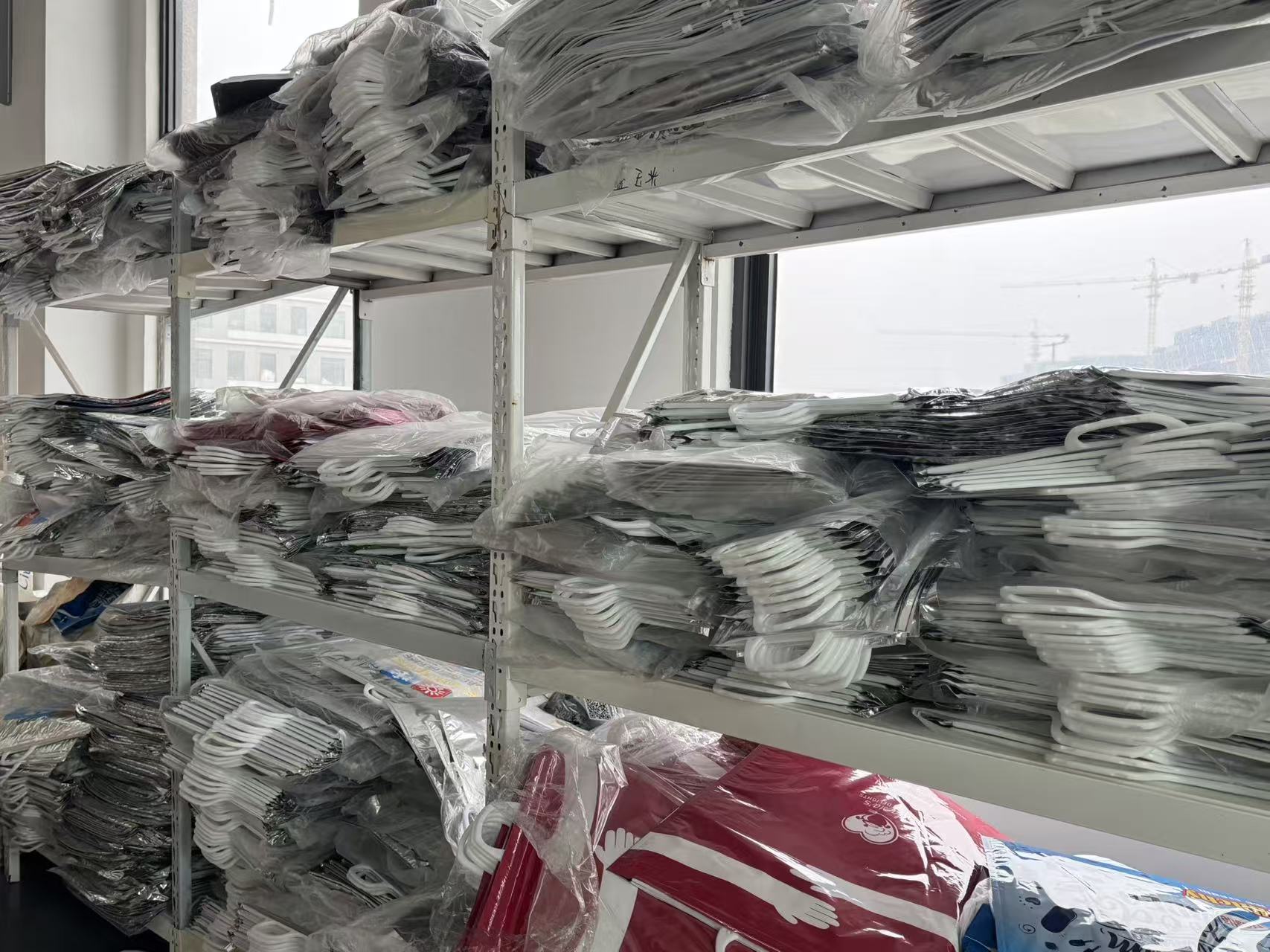
Have Questions or Need More Details?
Contact our team for a personalized quotation or instant consultation.
Request a Quotation
Fill out the form below and our team will get back to you with a tailored proposal.
WhatsApp Direct Chat
Prefer to chat in real-time? Message us on WhatsApp for instant assistance & quick answers.
- Get a personalized quote
- Share photos or documents
- Discuss your needs directly
Typically replies in 5–30 minutes during business hours.