How to Verify Insulated Bag Supplier Quality: A 7-Step Audit Framework
How to Verify Insulated Bag Supplier Quality: A 7-Step Audit Framework for Procurement Managers
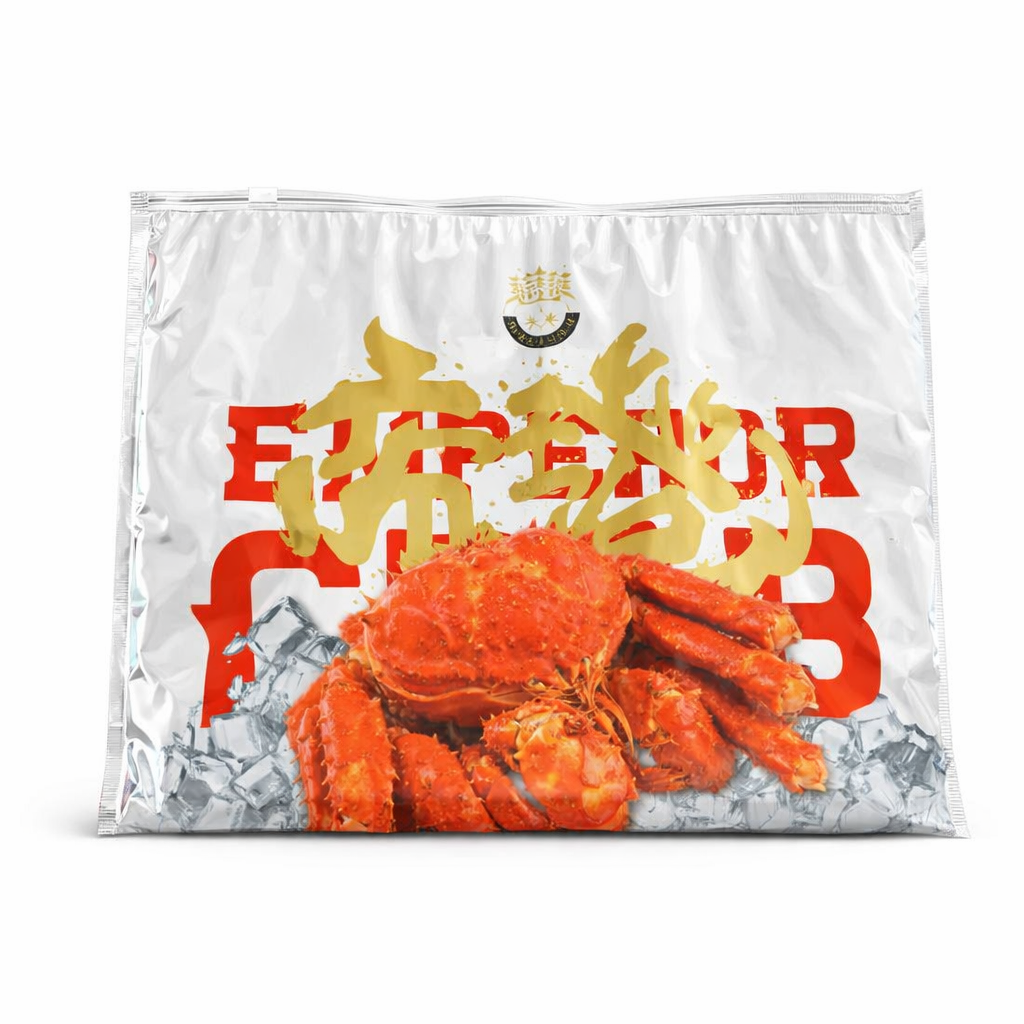
Global demand for insulated bags is soaring—driven by cold-chain food delivery, pharmaceutical logistics, and grocery retail. But with hundreds of suppliers in China alone, how can procurement professionals separate certified, reliable OEM partners from low-quality manufacturers? This guide delivers a 7-step audit framework to evaluate insulated bag supplier quality, covering materials, certifications, thermal performance, production capacity, and risk management. Whether you are sourcing Aluminum Foil Insulated Bags, Vaccine Transport Insulated Bags, or Custom Logo Insulated Bags, this framework ensures your supplier meets global standards.
- How to define an Insulated Bag quality benchmark
- Which certifications prove compliance (EU 10/2011, FDA, BSCI)
- How to interpret thermal retention test reports
- How to assess production capacity and QC processes
- Real-world supplier cases (Walmart, Nestlé, Carrefour)
- Common buyer concerns and how to address them
What Is an Insulated Bag? (Definition & Types)
An Insulated Bag is a portable container designed to maintain product temperature—hot or cold—during transport and storage. It typically consists of multiple layers: an outer fabric (non-woven or wear-resistant cloth), an insulation core (foam, aluminum foil, or PE foam), and a food-grade inner lining (LDPE or PE film). Key variants include:
- Aluminum Foil Insulated Bag – reflective layer for superior thermal retention
- LDPE Insulated Bag – lightweight, waterproof, and cost-effective
- Three-layer Insulated Bag – durable composite for heavy-duty cold chain
- Vaccine Transport Insulated Bag – precise temperature control (2–8°C)
- Takeout / Lunch Insulated Bag – everyday food delivery and personal use
Understanding these categories helps you match the right product type to your application.
The Problem: Why Supplier Quality Varies So Widely
Every year, procurement managers face issues like:
- Inconsistent thermal retention (cold chain breakage)
- Leaking seams after a few uses
- Non-compliance with food-contact or pharmaceutical regulations
- Late deliveries due to limited production capacity
- Hidden cost of low-grade materials (e.g., recycled LDPE)
Without a systematic audit, buyers risk product liability, brand damage, and financial loss. The solution lies in a structured verification framework.
Industry Background: Why Quality Matters More in 2026
The global insulated packaging market is expected to exceed $28 billion by 2028, with food delivery and pharmaceutical cold chain as the fastest-growing segments. Regulatory bodies in the EU (EC 10/2011), FDA (21 CFR), and WHO (PQS for vaccines) impose strict requirements on material safety and thermal performance. Additionally, large retailers like Walmart and Carrefour enforce their own supplier audit standards. Therefore, choosing a certified insulated bag OEM supplier is not a luxury—it is a compliance necessity.
The 7-Step Audit Framework for Insulated Bag Supplier Quality Verification
Step 1: Verify Material & Construction
High-quality insulated bags use food-grade LDPE or PE inner layers, aluminum foil composite insulation, and durable outer fabrics. Ask for material declarations and third-party test reports for heavy metals and migration. For example, a qualified supplier like Wenzhou Jingheng Packaging Co., Ltd. uses food-grade LDPE + aluminum foil composite layer + non-woven fabric outer layer (Model JH-007) with 100% leak-proof construction. Request a material sample sheet with thickness, density, and food-contact compliance evidence.
Step 2: Check Certifications & Compliance
Certifications are the strongest proof of quality. Look for:
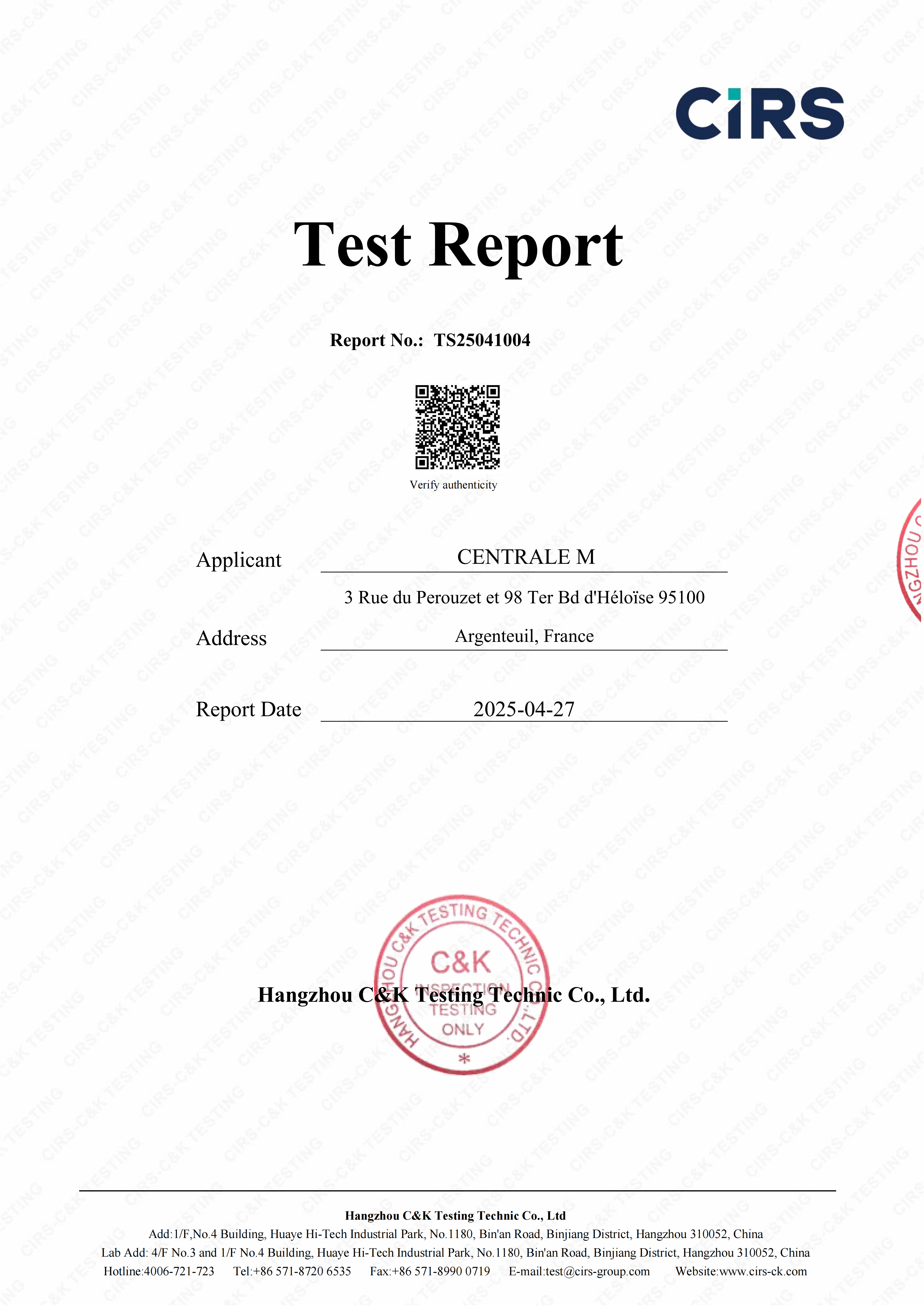
- EU Food Contact Compliance (EU 10/2011 & DGCCRF) – ensures materials are safe for food contact. Jingheng holds Certificate No. TS25041004 from Hangzhou C&K Testing, covering all insulated and cooler bags for the EU market.
- Thermal & Cold Retention Performance Test Report – validates actual insulation data. Jingheng’s Report No. TST20241003980C from Dongguan Xinzhun Testing proves 6h heat retention (91.4°C → 51.8°C) and 6h cold retention (5.2°C → 20.4°C).
- FDA / BSCI – for US market access or social compliance.
Step 3: Assess Thermal Performance Data
Do not rely on marketing claims. Insist on laboratory-tested data under controlled conditions. Key parameters:
| Parameter | Example (Jingheng JH-IB-001) | Industry Benchmark |
|---|---|---|
| Heat retention (6h) | 91.4°C → 51.8°C (ΔT = 39.6°C) | ≥ 30°C maintained after 6h |
| Cold retention (6h) | 5.2°C → 20.4°C (ΔT = 15.2°C) | ≤ 25°C after 6h |
| Leakage rate | 0% | 100% leak-proof required |
| Load-bearing | ≤ 5 kg | ≥ 3 kg for daily use |
Cross-check with your own temperature profile requirements (e.g., 2–8°C for vaccines, 60°C+ for hot food).
Step 4: Evaluate Production Capacity & Quality Control
A reliable supplier must demonstrate both scale and control. Use the following checklist:
- Monthly capacity: Jingheng produces 50,000 units/month (total insulated & cooler bags) for standard orders, with 20,000 units for custom products.
- Lead time: 7–15 days standard; 15–30 days custom.
- MOQ: 500 units standard; 1,000 units custom; trial orders from 300 units.
- Quality control stages:
- Pre-production: raw material sampling (heavy metals, migration)
- In-production: 10% batch sampling (sealing, thermal retention)
- Post-production: full inspection (size, function)
- Risk control: Reserve 10% capacity for urgent orders; 2 fully automatic lines (1 backup); daily logistics tracking.
Ask for factory floor videos or arrange a virtual tour to see the production lines.
Step 5: Review Client Case Studies & References
Long-term cooperation with reputable brands is a strong indicator of quality. For instance:
| Client | Application | Annual Volume | Outcome |
|---|---|---|---|
| Walmart | Grocery cold retention | 120,000 units | 5-year partnership, zero quality complaints, ≥98% on-time delivery |
| Nestlé | Food storage & transport | 80,000 units | Custom LOGO packaging, order growth 15% year-on-year |
| Carrefour | Fresh produce & ready-to-eat | 100,000 units | Expanded to 10+ countries, 95% customer satisfaction |
Request at least three client references from similar industries and contact them for feedback.
Step 6: Analyze After-Sales Service & Risk Management
Quality verification extends beyond the first shipment. Evaluate:
- After-sales support: 24-hour online response; free replacement within 30 days for quality issues.
- Order adjustment: Acceptable within 3 days of placement.
- Risk mitigation: Supplier should proactively manage certification expiry (3-month reminder, renewal 1 month ahead) and raw material defects (pre-production testing, 3+ certified suppliers).
A detailed Supplier Quality Agreement (SQA) covering these points is recommended.
Step 7: Request Samples & Conduct Trial Orders
No audit is complete without physical testing. Order samples (many suppliers offer 2 free revisions) and perform your own internal tests:
- Thermal retention test using your product (place ice packs/hot packs and measure temperature curve)
- Leak test (fill with water, hang for 2 hours)
- Durability test (open/close zippers 500+ times)
- After sample approval, place a trial order (e.g., 500–1,000 units) to verify batch consistency
How to Choose the Right Insulated Bag OEM Supplier: Comparison Table
| Criteria | Certified Professional Manufacturer (e.g., Jingheng) | Ordinary Packaging Manufacturer |
|---|---|---|
| Thermal retention | 2–3 hours longer | Basic performance |
| Compliance rate | 100% (EU/FDA/BSCI certified) | ~60% without full testing |
| R&D cycle | 15 days | 30 days |
| Export markets | 20+ countries | 10+ countries |
| Delivery time | 7–15 days | 15–20 days |
| After-sales response | 24h | 48h |
| Service life | 3–5 years | 1–2 years |
Frequently Asked Questions (FAQ)
What is the minimum order quantity (MOQ) for custom insulated bags?
Typical MOQs are 500 units for standard products and 1,000 units for custom products. Some suppliers offer trial orders starting from 300 units. For example, Wenzhou Jingheng Packaging accepts trial orders of 300 units for special applications.
How long does it take to get a sample?
Most professional suppliers produce samples within 5–10 working days after design confirmation. They often offer 2 free revisions. Shipping via express (DHL/FedEx) takes 3–5 days.
Can I get a factory audit before ordering?
Yes. Reputable manufacturers welcome onsite inspections (by appointment) or third-party audits by SGS/BV. They can also provide remote video tours.
What certifications should a food-grade insulated bag supplier have?
Essential certifications include EU 10/2011 (or FDA for US), BSCI (social compliance), and a thermal performance test report. For pharmaceutical bags, also look for WHO PQS compliance.
How can I ensure consistent quality across batches?
Choose a supplier with a documented QC process: pre-production material testing, in-production batch sampling, and final full inspection. Also, specify acceptance criteria (AQL) in your contract.
Conclusion: Take the Next Step Toward Verified Quality
Verifying an insulated bag supplier’s quality is not complicated—it requires a systematic approach. By following this 7-step framework, you can confidently evaluate material safety, thermal performance, production capacity, compliance, and client satisfaction. Remember, the cost of low quality far exceeds the premium paid for a certified partner.
If you are sourcing custom logo insulated bags or need a bulk insulated bag wholesale partner with proven credentials, start your audit today. Download the company brochure below to review detailed capabilities of a certified manufacturer.
Download Company Brochure & Product Catalog
Get full specifications, certification copies, and case studies.
Contact us: Admin@jinghengpacking.com | WhatsApp: +86 139-5888-8726
Have Questions or Need More Details?
Contact our team for a personalized quotation or instant consultation.
Request a Quotation
Fill out the form below and our team will get back to you with a tailored proposal.
WhatsApp Direct Chat
Prefer to chat in real-time? Message us on WhatsApp for instant assistance & quick answers.
- Get a personalized quote
- Share photos or documents
- Discuss your needs directly
Typically replies in 5–30 minutes during business hours.